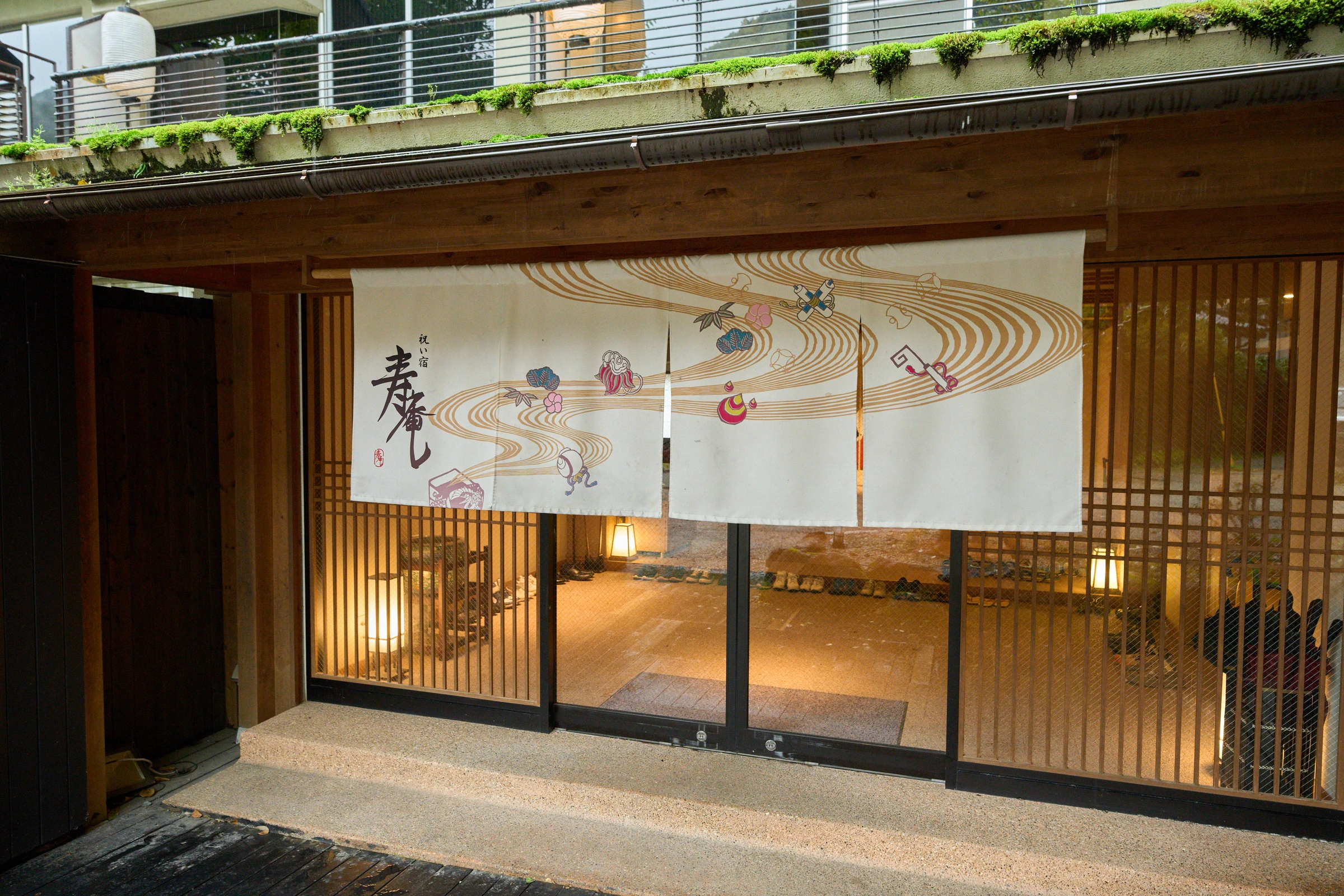
The Kinugawa Gorge lies amid the broad natural landscapes of Nikko, Tochigi.
Along it stand Kawaji Onsen and Kinugawa Onsen, two hot-spring towns with different personalities.
Kinugawa is one of Kanto's major hot-spring resorts, with large hotels and inns beside the gorge and a lively town atmosphere.
Theme parks, amusement facilities and animal attractions add activities beyond bathing.
Kawaji, beside the Ojika tributary, offers a quieter, more secluded natural setting.
Traditional hot-spring streets invite you to slow down.
It suits those seeking a restful break from city life.
Comparing spring water and traditional indications
Spring characteristics in Kawaji and Kinugawa
It describes the waters as clear, colorless and odorless.
The traditional label 'beauty spring' refers to the smooth feel after bathing; it is not a guaranteed effect.
The saying 'Kawaji for wounds, Taki for burns'
This saying has long been associated with Kawaji and Taki, now Kinugawa.
It reflects historical beliefs about wounds at Kawaji and burns at Kinugawa, not advice to bathe with an injury.
History and culture
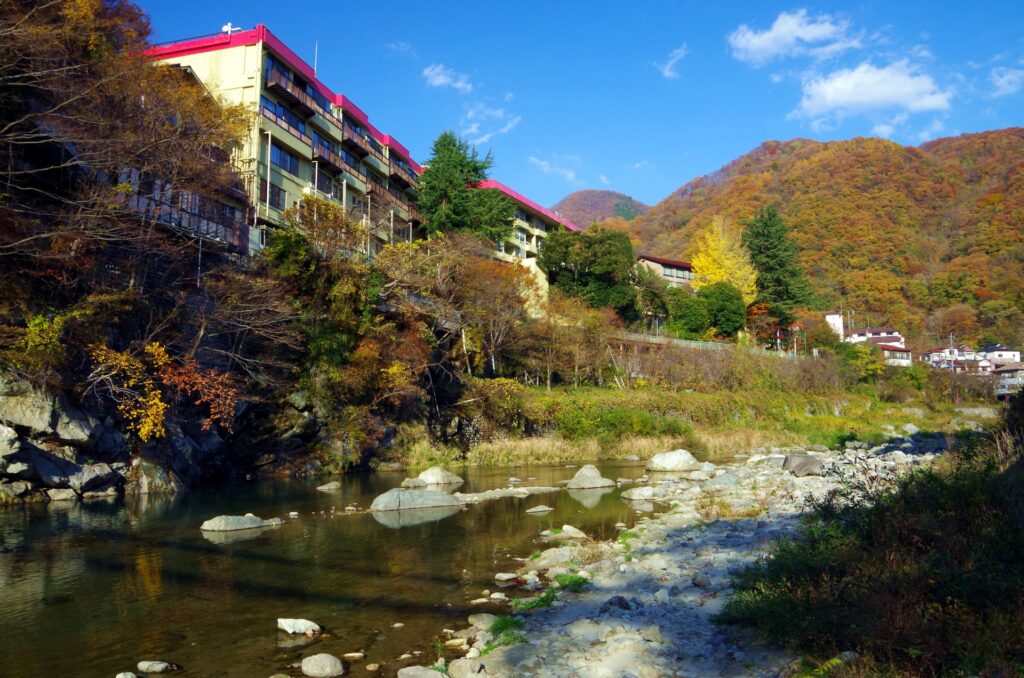
The origins of Kawaji Onsen
It describes an Edo-period post town on the Nikko Reiheishi Kaido; the precise historic road connection requires checking.
Kinugawa Onsen's history
Kinugawa was used in the Edo period, with larger-scale development from the Meiji era onward.
Improved transport brought visitors and helped it grow into a major hot-spring resort.
Kawaji as a retreat, Kinugawa as a resort
Kawaji has long been associated with traditional hot-spring stays.
Its quiet surroundings have attracted people seeking extended rest.
Kinugawa developed more strongly as a sightseeing resort.
Large hotels, inns, souvenir shops and restaurants give the town a lively feel.
Atmosphere and scale
Kawaji: a quiet hot-spring town
Inns are scattered beside the Ojika River in a calm setting.
Streams and birdsong create a peaceful natural atmosphere.
Footbaths and walking paths offer unhurried ways to enjoy the town.
For access to Kawaji, see the article below.
Getting to Kawaji Onsen from Tokyo, Asakusa and Narita Airport by train or car
Kinugawa: a major Kanto hot-spring resort
Kinugawa is among Kanto's large hot-spring destinations.
Hotels and inns create a lively resort atmosphere.
Kinu-Tateiwa Otsuribashi and Kinugawa riverboat trips are among the nearby attractions, with activities beyond the baths.
Accommodation styles and scale
Kawaji is mainly home to small and medium-sized inns.
Many retain wooden architecture and traditional ryokan character.
Smaller room counts can suit guests seeking a quiet stay.
Larger properties can accommodate a range of group and family needs.
Choosing between Kawaji and Kinugawa
Kawaji Onsen
- Choose Kawaji for a quiet setting and time to enjoy the springs at a relaxed pace.
- Traditional streets and nature offer a restful atmosphere.
- Its history as a bathing retreat is part of its character; medical suitability must be assessed individually.
- Smaller inns offer a more intimate style of hospitality.
Kinugawa Onsen
- Choose Kinugawa for the bustle of a large Kanto hot-spring resort.
- Large hotels and inns offer a range of facilities and services.
- Kinu-Tateiwa Otsuribashi and Kinugawa riverboat trips are among the nearby attractions, with activities beyond the baths.
- It can suit families and larger groups planning time together.
Kawaji suits a quiet, restful hot-spring stay; no medical outcome is implied.
Kinugawa suits those combining hot springs with sightseeing and activities.
Both destinations have their own appeal.
Visit both and discover the difference for yourself.